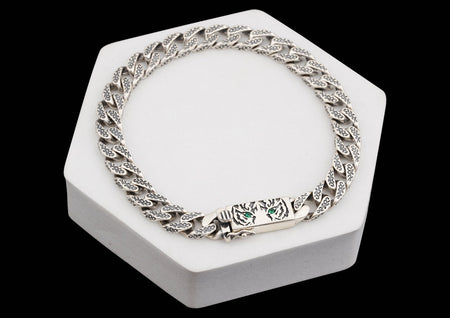


Introduction: Oxidised jewellery and the new language of masculine style
For decades men’s jewellery tended to follow a narrow script: conservative metals, predictable designs, and accessories that were rarely the centre of attention. That script has been rewritten. Today, oxidised jewellery is not simply a niche; it is a defining voice in modern masculine style. More than an aesthetic choice, oxidised jewellery embodies a philosophy — an appreciation for texture, depth and a lived-in authenticity that polished metals rarely convey.
Oxidised finishes give silver and other metals a darker, more complex surface. That patina suggests history, character and craft. It reads as intentional imperfection, which in fashion terms is a powerful statement: it says that refinement need not be glossy, that elegance can bear memory and grit. Men of all ages are responding. Designers are reinterpreting heirloom motifs in oxidised tones, streetwear brands are fusing industrial elements with traditional forms, and style-conscious men are layering oxidised pieces with bright and neutral garments alike.
Why is oxidised jewellery gaining such momentum now? The cultural context helps explain the trend. Contemporary menswear has shifted towards authenticity and texture. Fabrics like raw denim, suiting with matte finishes, and utilitarian outerwear all find common ground with oxidised metal. The result is a unified visual language where metal and cloth speak the same design dialect. In addition, a broader acceptance of men wearing jewellery has allowed experimentation. Where a decade ago wearing an eye-catching pendant might have raised questions, today it will more likely register as deliberate personal style.
If you are curious about adding edge and narrative to your wardrobe, oxidised jewellery offers a route that keeps refinement intact while widening your expressive range. Read on to understand what makes it both historically rooted and strikingly modern.
Why oxidised jewellery works in modern men’s wardrobes
Oxidised jewellery translates exceptionally well across styles because of three key qualities: contrast, texture and tone. First, the darker surfaces create contrast against lighter fabrics, making the piece readable without being loud. Second, oxidation increases visual texture. Rather than reflecting light like polished metal, oxidised finishes catch shadows; the result is tactile depth that reads as artisanal. Third, oxidised tones are inherently versatile. They complement black, navy and earth tones with quiet authority and also sit well against white or cream for a contemporary contrast.
Culturally, the trend also aligns with a desire for pieces that feel personal and unique. Oxidised jewellery often looks handcrafted. The finish suggests weathering and story, which is an attractive talismanic quality for many men. In short, oxidised jewellery fits the modern man because it is wearable narrative — it accessorises identity rather than merely decorate an outfit.
Oxidised jewellery: materials and techniques that create the look
Oxidation can be achieved through a variety of processes and on several metals. Sterling silver is the most common base because it oxidises predictably and creates pleasing grey to black hues. Techniques include chemical treatments, controlled exposure to air and sulphur compounds, or mechanical texturing followed by darkening agents. Designers may use heat, patination, or electrochemical methods to achieve durable finishes.
Beyond silver, metals like copper, brass and certain alloys can be treated to achieve similar tonal variations. Coatings and black rhodium plating are sometimes applied to achieve a blackened look that resists wear. The important distinction is between a surface coating and an actual oxidised patina. Coatings can chip over time, while a true oxidised finish is part of the metal’s surface and often ages more gracefully.
When buying oxidised jewellery, understanding the method can help you anticipate how a piece will age and how it should be cared for. A patination created through chemical processes will generally remain stable if you follow care instructions. A plated finish, while often beautiful, may require more careful handling to avoid abrasion.
Oxidised jewellery trends: why designers favour the finish
Designers are increasingly favouring oxidised finishes for the creative latitude they allow. The darker tones elevate intricate detailing, making carvings, engraving and filigree more legible. Oxidised metal creates natural shadow inside patterns, which can make small motifs pop without resorting to high contrast or large scale.
The finish also pairs beautifully with mixed materials. Leather, woven cords, natural stones and darkened metals create a cohesive toolkit for contemporary men’s accessories. Designers use oxidised elements to bridge classic jewellery techniques with modern silhouettes — a signet ring carved with a minimalist motif, for example, reads both as heritage and as contemporary statement when oxidised.
Finally, sustainability conversations are nudging men towards longer lasting pieces. Oxidised jewellery has an advantage here: its less-pristine look makes signs of wear less noticeable, encouraging men to keep pieces longer rather than replacing them when scratches appear.
Oxidised jewellery categories to watch: chains, rings and bracelets
- Oxidised chains: From fine box chains to heavier curb or rope links, oxidised chains provide a low shine, tactile alternative to polished silver. They are ideal for pendants, layering, or wearing alone as a primary neck piece.
- Oxidised rings: Signet rings, carved bands and textured rings look especially striking when oxidised. The dark finish improves legibility of engraving and complements darker palettes or earthy wardrobes.
- Oxidised bracelets: Whether cuff, link or beaded, oxidised bracelets lend a grounded finish to wrist stacks. They pair well with leather, cloth or steel watches, providing an integrated wrist composition.
Oxidised jewellery styling: how to wear oxidised chains
Oxidised chains for men are remarkably versatile. A thin oxidised chain worn under a shirt collar acts like an anchor for a pendant and remains mostly private; that is a subtle choice for the office. A mid-weight oxidised chain worn over a T shirt or under a denim jacket provides textural interest and suits casual or streetwear outfits. Heavier oxidised chains become statement pieces and pair well with simple tops to let the jewellery lead.
Styling tips for oxidised chains:
- Choose chain thickness to match your frame. Thinner chains suit slimmer men and formal ensembles. Heavier links flatter broader physiques and casual looks.
- Consider chain length for layering. A 20 inch oxidised chain under a shirt, paired with a 24 inch chain over a tee, creates pleasing vertical spacing.
- Pair oxidised chains with pendants of natural materials like onyx or lava stone for a cohesive organic palette.
-
When combining metals, keep oxidised jewellery as the base and add brighter metals sparingly to avoid visual dissonance.
Oxidised jewellery styling: how to wear oxidised rings
Men’s oxidised rings are expressive and tactile. A darkened signet ring with subtle engraving reads as heritage with contemporary restraint. Band rings featuring hammered texture paired across two fingers offer a curated, layered look without the need for many accessories.
Styling tips for oxidised rings:
- Consider ring width and finger placement. Wider oxidised bands often sit well on the index or middle finger. Slimmer oxidised rings work on ring fingers or as stackable pieces.
- Pair oxidised rings with matte or polished silver pieces for contrast, or with leather bracelets for an earthy composition.
- For formal events, choose a single oxidised signet or a polished band with an oxidised inset to maintain elegance.
Oxidised jewellery styling: how to wear oxidised bracelets
Oxidised bracelets bring balance to wrist stacks. A single oxidised cuff can act as a sleek focal point; beaded oxidised bracelets, especially those with natural stone beads, add texture and artisanal appeal. Link bracelets in oxidised silver echo the neck chain aesthetic and create harmony when worn together.
Styling tips for oxidised bracelets:
- Aim for symmetry between watches and bracelets; an oxidised bracelet works well on the hand without the watch, or paired with a leather strap watch.
- Stack small oxidised bracelets together and offset them with a single polished metal piece to create tension.
- For ethnic or festival outfits, oxidised bracelets complement heavier embroidery and jewel tones by tempering shine.
Comparing Oxidised Jewellery Variants
| Variant | Typical Styles | Ideal Outfits | Styling Notes |
|---|---|---|---|
| men's oxidised chains | Fine box, curb, rope, heavy links | Layered streetwear, smart casual, ethnic fusion | Use for pendants, layer with different lengths, match chain thickness to frame |
| men's oxidised rings | Signet, hammered bands, carved motifs | Casual to formal, depending on size and detail | Consider finger placement and width; engraved details show well when oxidised |
| men's oxidised bracelets | Cuffs, link bracelets, beaded oxidised bracelets | Wrist stacks, ethnic wear, casual layering | Pair with leather or cloth for texture; avoid too many bright metals |
Oxidised jewellery and outfit pairing: practical guides
Here are concrete outfit pairings to make oxidised jewellery integral, not incidental.
- Casual daytime: Mid-weight oxidised chain over a white tee, denim jacket, slim jeans and low sneakers. Add a small oxidised ring on the index finger for balance.
- Work-smart: Discreet oxidised chain under a crisp shirt, with a single oxidised signet ring. Keep other accessories minimal.
- Evening: Heavier oxidised chain or layered chains, black shirt, blazer and leather boots. Add an oxidised cuff to complete the wrist composition.
- Cultural or festival: Oxidised bracelets and beads with a kurta or Nehru jacket. The blackened tone creates a tasteful counterpoint to vibrant embroidery.
- Streetwear: Mix oxidised chains with black leather jackets, camo trousers and utilitarian boots. Textured oxidised studs or rings add complementary detail.
Buying guide: what to look for when purchasing oxidised jewellery
Quality considerations for oxidised pieces:
- Material: Look for sterling silver or high quality alloys. Confirm if the finish is plated or an actual oxidised patina.
- Workmanship: Inspect engraving, joins in chains, and bead stringing. Oxidised finishes reveal details more starkly; high craft is essential.
- Coating vs patina: Ask whether the dark finish is plating or patination. Patinas tend to age gracefully; plating can wear if not cared for.
- Comfort: Rings should be sized properly. Chains should have secure clasps. Bracelets should sit comfortably without pinching.
- Return policy: Because oxidation can vary, check return and care policies.
Oxidised jewellery care: maintaining the finish without dulling character
Care for oxidised jewellery requires balance: you want to preserve the intentional darkening without letting dirt or oils build up.
Basic care tips:
- Wipe with a soft, dry cloth after wear to remove oils.
- Avoid harsh polishing on patinated surfaces; light cleaning with a damp cloth is preferable.
- Remove pieces before swimming or showering to avoid contact with chlorinated water.
- For plated black finishes, avoid abrasive cleaners which may strip the surface.
- Store pieces in dry, separate pouches to prevent abrasion and tangling.
Professional maintenance:
- For heavy grime, a jeweller can ultrasonic clean and reapply a controlled patina.
- For plated finishes that wear, consider refinishing rather than aggressive polishing.
Oxidised jewellery ethics and sustainability
Oxidised jewellery often uses silver, which is recyclable and durable. Choose brands that source responsibly and provide transparency about metal sourcing and manufacturing. Some artisans use reclaimed silver or recycled components to create oxidised pieces, which reduces environmental impact and adds an ethical story to the accessory.
FAQs about oxidised jewellery for men
1. What exactly is oxidised jewellery and how does it differ from black plated jewellery?
Oxidised jewellery is metal that has been intentionally treated to create a darkened surface patina. On sterling silver this often involves exposure to sulphur compounds or controlled chemical treatments that darken the metal permanently as part of its surface chemistry. The result is tonal variation that emphasises texture and engraving. Black plated jewellery, by contrast, typically involves a surface coating such as black rhodium or lacquer. While plating can achieve a uniform black look, it sits above the metal and can wear or chip with abrasion, especially at contact points like ring edges or bracelet clasps. Oxidation integrates the darker tone into the metal itself; this means that as the piece ages, the patina develops naturally, often in a visually pleasing manner. For buyers, the key difference is longevity and maintenance: oxidised patinas usually require gentler cleaning to preserve character, whereas plated pieces may need recoating if the finish wears away.
2. How should I choose between men's oxidised chains, men's oxidised rings and men's oxidised bracelets for my collection?
Start with your wardrobe and lifestyle. If your day involves a variety of shirts, jackets and open collars, an oxidised chain is a highly visible but wearable choice that works as a focal point. If you value subtle symbols or tactile items you can touch, oxidised rings offer intimacy; the ring is close to the hand and communicates detail in personal interactions. For those who habitually style wrists or wear watches, men’s oxidised bracelets integrate seamlessly and allow for layered compositions. Consider body proportions as well: slimmer frames may favour thinner oxidised chains and slim rings, while broader frames can carry larger links and chunkier cuffs more comfortably. Also, think about occasions: if you primarily need pieces for formal settings, choose refined oxidised rings or thin chains; for weekend and creative environments, opt for heavier oxidised bracelets or stacked chains.
3. Will oxidised jewellery for men cause skin discolouration or allergic reactions?
Sterling silver itself is unlikely to cause allergic reactions for most wearers, but the alloys mixed with silver for hardness can sometimes contain small amounts of nickel, which is a common irritant. For this reason, choose reputable makers who specify nickel free or use sterling silver (925) as the base metal. True oxidation is part of the silver surface and does not typically cause staining; however, dark residue can sometimes transfer when a piece is new. This is usually minimal and can be resolved by wiping the item and avoiding prolonged moisture contact initially. If you have sensitive skin, titanium and stainless steel alternatives with an oxidised finish may offer hypoallergenic benefits. Always test a new piece on one finger or wrist for a day to check for irritation, and consult a dermatologist if you have a known metal allergy.
4. How do I care for my oxidised ring without removing its intended finish?
Caring for oxidised rings requires restraint. Unlike polished silver which benefits from regular polishing, oxidised rings should be cleaned gently. Use a soft cloth to remove surface oils and dirt after wearing. If deeper cleaning is necessary, use lukewarm water with a drop of mild soap and a soft brush, then dry thoroughly. Do not use silver polish or abrasive tools, as these will remove the patina. When not wearing the ring, store it in a dry pouch away from moisture. For significant grime or if the patina loses its intended depth, a professional jeweller can reapply a patination to restore the piece, which is preferable to aggressive home cleaning that risks altering the finish permanently.
5. Can oxidised chains be worn in professional settings, or are they only for casual looks?
Oxidised chains can absolutely be worn in professional settings, provided you choose designs that respect the setting’s formality. Thin oxidised chains hidden under a shirt collar create an understated effect ideal for conservative workplaces. Mid-weight oxidised chains with subtle pendants work in creative offices where personal style is welcomed. The key is proportion: avoid overly chunky oxidised links or heavy layered chains in highly formal environments. Clean lines and minimal ornamentation help oxidised chains bridge the gap between polished classic accessories and expressive contemporary styling. When in doubt, opt for a single oxidised chain paired with a neutral shirt and leave louder combinations for social or creative outings.
6. How does oxidised jewellery age over time and can I control that process?
Oxidised jewellery ages in a way that many collectors find aesthetically pleasing. The patina can deepen in crevices and lighten on surfaces that receive more contact, resulting in a nuanced, lived-in finish. You can influence the aging process through usage and care. Regular contact with skin oils and friction will alter the finish subtly, often making high points shinier while recessed areas stay dark. Avoiding excessive cleaning will preserve the patina. If you prefer a more static look, some oxidised pieces are sealed with protective coatings to slow further change, but this may affect the tactile quality. Periodic professional refreshes can restore or adjust the patina based on your preference. Ultimately, oxidised jewellery is designed to evolve alongside you, so consider that ageing as part of its appeal rather than a defect.
7. What gemstones pair best with oxidised jewellery for men?
Gemstones with a matte or deep tone complement oxidised metal beautifully. Onyx, black spinel, midnight blue sapphires, and grey moonstone create a seamless palette with oxidised finishes. For contrast, warm stones like amber or tiger’s eye bring a vibrant focal point against dark metal. When setting gems into oxidised rings or pendants, consider cabochon cuts or faceted stones with subdued shine; this maintains the artisanal aesthetic rather than competing with the patina’s low lustre. Stones with strong colour saturation also read well because the oxidised metal frames them, creating a gallery like effect. Ultimately, choose stones that suit your personal tone and the emotional resonance you want your piece to convey.
8. How should I store a mixed collection of oxidised jewellery and polished silver to avoid abrasion or colour transfer?
Store oxidised pieces separately from polished silver to prevent abrasion and cross transfer of tarnish. Use soft cotton pouches or lined jewellery compartments and avoid stacking pieces directly atop each other. For chains, hang them or place them flat to prevent tangling. If you have pieces with plated coatings, keep those isolated as well because their surfaces may be more delicate. Anti tarnish strips can be used in storage boxes to regulate humidity and slow oxidation where you do not want further patination. Careful separation is crucial to maintain the distinct finishes and prevent inadvertent polishing of oxidised surfaces by contact with brighter metals.
9. Is oxidised jewellery expensive compared with polished silver pieces?
Pricing depends on craftsmanship, design complexity and materials. Oxidised jewellery made from sterling silver with elaborate hand engraving, custom carving or inlay work can be as expensive as high end polished pieces because of the labour involved. Simpler oxidised designs, like a basic oxidised chain or bead bracelet, can be affordable, often comparable to polished equivalents. If a piece uses precious stones, custom motifs or limited edition runs, expect a price premium. In short, oxidised jewellery spans the same price spectrum as polished silver; the determining factors are design detail and maker reputation rather than the finish alone.
10. How can I introduce oxidised jewellery into my existing collection without overhauling my style?
Start small and deliberate. Add a thin oxidised chain that sits under your shirt, or a single oxidised signet ring worn on the index or middle finger. These subtler introductions allow you to test interaction effects with your current watches, bracelets and polished rings. Observe how oxidised pieces change the tone of your outfits and build gradually. Pair oxidised jewellery with leather accessories and muted textiles to see cohesive pairings. Over time, you will intuitively understand which oxidised silhouettes best complement your wardrobe and you can increase scale and complexity accordingly.
Conclusion: Oxidised jewellery as a bridge between classic craft and contemporary menswear
Oxidised jewellery occupies a rare position in contemporary men’s style: it is simultaneously ancient in aesthetic and wholly modern in application. The patinated surfaces connect the wearer to craft traditions while allowing new forms of expression that align with current trends towards texture, authenticity and durability. As men continue to personalise wardrobes and experiment with accessories, oxidised jewellery will remain essential for those who want their pieces to feel like companions rather than mere trinkets.
From men’s oxidised chains that sit at the throat to signet rings that print an identity into casual gestures, and bracelets that knit together the wrist composition, each oxidised piece contributes to a coherent style story. Choose well made pieces, care for them thoughtfully and allow them to age with you. In doing so you will not only wear fashion; you will wear a narrative. If you are ready to broaden your personal vocabulary, consider oxidised jewellery as your next edition: it offers complexity, restraint and the quiet confidence that defines modern masculine elegance.